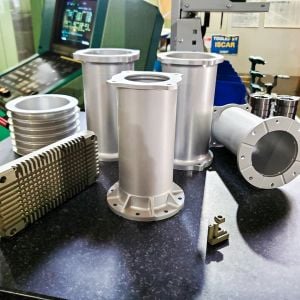
Anodizing is a transformative electrochemical process that enhances the natural oxide layer on aluminum alloys, significantly improving their corrosion resistance, surface hardness, and aesthetic appeal. This treatment is vital for aluminum components used in various demanding environments, such as aerospace, automotive, and architectural applications. The process not only augments the metal’s durability but also enables dyeing, improving its cosmetic appearance. The resultant anodic oxide structure forms from the aluminum substrate and is fully integrated, preventing peeling or chipping.
The Anodizing Process Explained
The anodizing process at ICON.Engineering involves several critical steps to ensure the highest quality and performance of the treated aluminum. Initially, the aluminum parts are thoroughly cleaned to remove any impurities that might affect the anodization process. They are then submerged in an electrolyte bath, commonly sulfuric acid, and an electric current is passed through the solution. This current causes the surface of the aluminum to oxidize, forming a thick and protective oxide layer.
Precision in controlling the temperature, voltage, and time of the electrolytic process is crucial, as these factors directly influence the thickness and properties of the oxide layer. ICON.Engineering uses state-of-the-art equipment and technology to monitor and adjust these parameters accurately, ensuring consistent and high-quality finishes on all products.
Types of Anodizing
There are several types of anodizing, each tailored to specific applications and durability requirements:
- Type I: Chromic Acid Anodize is typically used for its thin oxide layers that provide corrosion resistance while retaining the metal’s conductivity. It’s particularly suitable for aerospace components where paint adhesion is necessary.
- Type II: Sulfuric Acid Anodize offers thicker oxide layers than Type I and is ideal for color dyeing. It is widely used in consumer goods and architectural components due to its aesthetic flexibility and moderate durability.
- Type III: Hard Anodize involves a thicker oxide layer, providing superior wear and corrosion resistance. This type is essential for components subjected to extreme environmental conditions or mechanical wear.
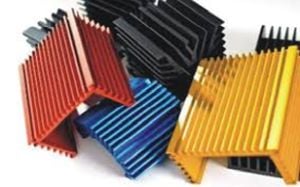
- Decorative Anodizing: This subtype of Type II anodization is particularly popular for its ability to produce vibrant colors. By incorporating organic dyes or metallic salts into the anodizing process, a wide range of colors can be achieved, from subtle earth tones to bright, bold hues. The color becomes part of the oxide layer, ensuring that it does not chip or peel off, which is essential for both cosmetic appeal and longevity. Decorative anodizing is favored in applications ranging from art installations and consumer electronics to automotive trim and jewelry, showcasing the material’s versatility and beauty.
Deep Dive: Hard Anodization
Hard anodization, or Type III, distinguishes itself by creating a significantly thicker oxide layer, typically 25 to 150 micrometers. This process is conducted at lower temperatures and with higher current densities, resulting in an extremely hard surface that rivals diamonds in terms of durability. The benefits of hard anodizing include a much greater resistance to wear and heat, making it indispensable for high-stress applications such as military hardware, aerospace components, and cooking utensils.
Applications of Anodized Aluminum
Anodized aluminum finds extensive applications across a broad range of industries. At ICON.Engineering, our anodized products are integral to innovations in sectors like aerospace, where they are used in the manufacture of lightweight, durable aircraft parts, automotive systems for enhanced performance parts, and in architecture for facade elements that withstand harsh weather conditions while maintaining their aesthetic qualities.